-
Trump Threatens to Invoke Insurrection Act in Response to Minnesota Protests
President Donald Trump is escalating his standoff with Minnesota leaders, threatening to invoke the Insurrection Act — a rarely used 19th-century law that would allow the U.S. military to be deployed domestically — as protests continue to spread in Minneapolis. The unrest began after an Immigration and Customs Enforcement officer fatally shot 37-year-old Renee Nicole Good last week and intensified again Wednesday when a federal agent shot a Venezuelan man in the leg during a traffic stop. On Truth Social, Trump warned that if Minnesota officials do not “obey the law” and stop what he called “professional agitators and insurrectionists” attacking ICE agents, he would activate the Insurrection Act to “quickly put an end” to what he described as chaos in the state.
The Insurrection Act allows a president to deploy active-duty military forces for civilian law enforcement under limited circumstances, bypassing restrictions in the Posse Comitatus Act. It has been used only a few dozen times in U.S. history and would almost certainly face immediate legal challenges. Trump has previously threatened to invoke the law during unrest in Democratic-led cities but has so far relied on National Guard deployments instead. Legal scholars note the statute is broadly written but traditionally viewed as an emergency option when civil order has completely broken down.
The confrontation comes amid what the Department of Homeland Security says is the largest ICE operation in the agency’s history. Thousands of federal agents were deployed to Minnesota following a major welfare-fraud investigation that drew national attention to the state’s Somali immigrant community. Governor Tim Walz estimates between 2,000 and 3,000 federal agents are now operating in Minnesota. He has urged residents to protest peacefully, document agents’ actions, and appealed directly to Trump to “turn the temperature down,” warning against what he described as a campaign of retribution.
Homeland Security Secretary Kristi Noem said the administration has no plans to pull ICE out of Minnesota and defended the agents’ actions as lawful, describing conditions in Minneapolis as violent. Noem confirmed she discussed the Insurrection Act with the president and said he has the constitutional authority to use it, while expressing hope state leaders would work with federal officials to remove criminals from the streets. The White House said the law remains a tool at the president’s disposal and emphasized it has been used sparingly by past presidents.
At the city level, Minneapolis Mayor Jacob Frey struck a noticeably calmer tone Wednesday night, calling for peace after days of heated rhetoric. Frey urged protesters not to “take the bait” from the president and warned that violence only harms undocumented residents. He said the situation is unsustainable, arguing city police are being put in an impossible position as residents demand they confront federal agents. While Frey again criticized ICE’s presence and tactics, he said Minneapolis cannot tolerate a scenario where different levels of government are openly clashing in the streets.
The mayor’s remarks marked a sharp shift from last week, when he angrily told ICE to leave the city following Good’s death. Federal officials responded by blaming local leaders for what they called hostile and inflammatory rhetoric toward ICE. With protests continuing, federal agents remaining in place, and the president openly raising the possibility of deploying the military, Minnesota has become the focal point of a broader national debate over immigration enforcement, states’ rights, and how far a president can go to restore order inside the United States.
-
Trump rolls out ‘Great Healthcare Plan,’ urges Congress to slash costs for Americans
President Donald Trump unveiled his new "Great Healthcare Plan" Thursday, and urged Congress to create and pass legislation with the provisions included in an attempt to lower healthcare costs for Americans.
The plan, which comes amid a big push from the White House to focus on affordability issues for Americans, calls on Congress to get behind a series of provisions outlined in the plan that stem largely from previous executive orders the president has signed during this term.
Specifically, the "Great Healthcare Plan" calls on Congress to codify Trump’s most "favored nations drug pricing" initiative that instructs drug companies to lower costs and keep them in alignment with what drugs in other developed countries cost, according to a White House fact sheet. Trump issued an executive order on the matter in May.
The plan also aims to maximize price transparency, and require providers or insurers to take Medicare or Medicaid to "prominently post their pricing and fees in their place of business and ensure insurance companies are complying with price transparency requirements," according to the fact sheet.
The plan also calls for ending taxpayer-funded subsidy payments to insurance companies, and instead of sending those funds to eligible Americans instead — a proposal that Trump has suggested previously.
"The government is going to pay the money directly to you. It goes to you, and then you take the money and buy your own health care," Trump said in a video the White House released Thursday. "Nobody has ever heard of that before, and that's the way it is."
It’s unclear how the federal government plans to directly distribute funds to Americans, and an administration official told reporters Thursday that the administration is open to working with Congress on that front.
"These are commonsense actions that make up President Trump's Great Healthcare Plan, and they represent the most comprehensive and bold agenda to lower health care costs to have ever been considered by the federal government," White House press secretary Karoline Leavitt told reporters on Thursday. "Congress should immediately take up President Trump's plan and pass it into law."
Meanwhile, the Senate is prepared to vote on extending the Affordable Care Act subsidies, which were a sticking point during the government shutdown in October and expired at the end of 2025. The House passed extending the subsidies for three years Jan. 8.
Karoline Leavitt urges Congress to pass Trump's Great Healthcare Plan | Fox News
-
Fairhope Public Library denied state funding
The Fairhope Public Library will not receive state funding for the current fiscal year because several books shelved in sections for readers under 18 were found to have sexually explicit content, the Alabama Public Library Service (APLS) decided Thursday afternoon.
Read more : Fairhope Public Library denied state funding | News | lagniappemobile.com

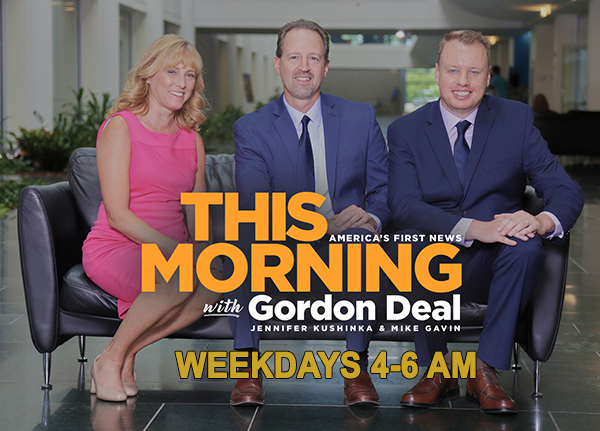
This Morning with Gordon Deal
FM Talk 1065

Mobile Mornings with Dan Brennan and Dalton Orwig
FM Talk 1065

The Jeff Poor Show
FM Talk 1065

Midday Mobile
FM Talk 1065

The Paul Finebaum Show
FM Talk 1065

The Michael Berry Show
FM Talk 1065

Sweet Home CannaBama
FM Talk 1065

Tonight in Mobile with Mr. Mobile
FM Talk 1065

The Joe Pags Show
FM Talk 1065

The Dana Show
FM Talk 1065
This Morning with Gordon Deal
FM Talk 1065
Mobile Mornings with Dan Brennan and Dalton Orwig
FM Talk 1065
The Jeff Poor Show
FM Talk 1065
Midday Mobile
FM Talk 1065
The Paul Finebaum Show
FM Talk 1065
The Michael Berry Show
FM Talk 1065

The George Williams Show
FM Talk 1065

Beyond the Blockchain
FM Talk 1065
The Joe Pags Show
FM Talk 1065
The Dana Show
FM Talk 1065
This Morning with Gordon Deal
FM Talk 1065
Mobile Mornings with Dan Brennan and Dalton Orwig
FM Talk 1065
The Jeff Poor Show
FM Talk 1065
Midday Mobile
FM Talk 1065
The Paul Finebaum Show
FM Talk 1065
The Michael Berry Show
FM Talk 1065

Scuttlebutt Radio
FM Talk 1065
The Joe Pags Show
FM Talk 1065
The Dana Show
FM Talk 1065
This Morning with Gordon Deal
FM Talk 1065
Mobile Mornings with Dan Brennan and Dalton Orwig
FM Talk 1065
The Jeff Poor Show
FM Talk 1065
Midday Mobile
FM Talk 1065
The Paul Finebaum Show
FM Talk 1065
The Michael Berry Show
FM Talk 1065

FM Talk 1065 - Best of the Week
FM Talk 1065
The Joe Pags Show
FM Talk 1065
The Dana Show
FM Talk 1065
This Morning with Gordon Deal
FM Talk 1065
Mobile Mornings with Dan Brennan and Dalton Orwig
FM Talk 1065
The Jeff Poor Show
FM Talk 1065
Midday Mobile
FM Talk 1065
The Paul Finebaum Show
FM Talk 1065
The Michael Berry Show
FM Talk 1065
FM Talk 1065 - Best of the Week
FM Talk 1065
The Joe Pags Show
FM Talk 1065

Outdoors Show with Don Dubuc
FM Talk 1065

FMTalk1065 Outdoors
FM Talk 1065

Prep Sports Report
FM Talk 1065

Midday Mobile - Saturday Encore
FM Talk 1065

Southern Fairways
FM Talk 1065

FMTalk1065 - Best of the Week
FM Talk 1065

Retire Right Radio
FM Talk 1065

The Jolene Roxbury Variety Hour
FM Talk 1065

The Kim Komando Show
FM Talk 1065

Free Talk Live
FM Talk 1065
FMTalk1065 Outdoors
FM Talk 1065
Free Talk Live
FM Talk 1065
FMTalk1065 Best of the Week (Sunday AM)
FM Talk 1065
FMTalk1065 Outdoors
FM Talk 1065
The Jolene Roxbury Variety Hour
FM Talk 1065

Truitt News Radio
FM Talk 1065

Plain Living with Bill Finch
FM Talk 1065

Sip & Chew with Mike & Stu
FM Talk 1065

Coasting in Retirement with Josh Null
FM Talk 1065

What Would Your Money Say? with Swan Capital
FM Talk 1065

This Weekend with Gordon Deal
FM Talk 1065

Talking Dirty
FM Talk 1065

Relax and Retire Financial Services
FM Talk 1065
FM Talk - Best of the Week
FM Talk 1065

Plain Living with Bill Finch
FM Talk 1065
FMTalk1065 Outdoors
FM Talk 1065
Prep Sports Report (Sunday Replay)
FM Talk 1065
Free Talk Live
FM Talk 1065